What did Emil Otto Hoppe John Everett Millais do at 7 Cromwell Place?
The Story
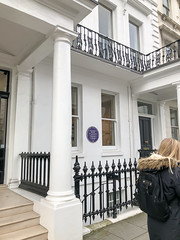
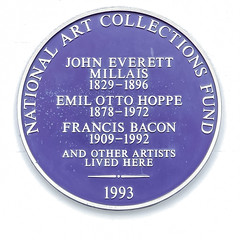
# 7 Cromwell Place Standing before this elegant South Kensington townhouse, you're looking at a creative hub that witnessed the evolution of British visual art across nearly two centuries—a place where the Pre-Raphaelite master Millais established his studio in the mid-1800s, creating some of his most celebrated works within these walls during the height of Victorian artistic ambition. When Emil Otto Hoppe took residence decades later, the space transformed into a photographer's sanctuary, where the German-born innovator revolutionized portrait photography and documented London's elite through his distinctive modernist lens, helping establish photography as a serious artistic medium rather than mere documentation. By the time Francis Bacon arrived in the 20th century, 7 Cromwell Place had become hallowed ground for artists—a address where Bacon's visceral, revolutionary paintings emerged alongside the lingering ghosts of his predecessors, each generation pushing the boundaries of what art could be in their era. This single address represents an unbroken artistic lineage, each resident drawn to this particular corner of Kensington not by chance, but because it had become a magnet for those determined to challenge and reinvent their medium—making it one of London's most significant addresses for understanding how British art transformed from Victorian refinement through photographic innovation to post-war abstraction.
Location
7 Cromwell Place
Discover more stories across London