What did Mary Prince bronze plaque do at Senate House?

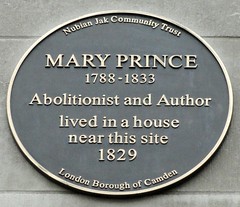
The Story
# Mary Prince's Russell Square Refuge Standing before Senate House on Russell Square, you're standing near the threshold of Mary Prince's freedom. In 1829, after escaping slavery in Antigua and finding her way to London, Prince lived in a modest house in this neighbourhood—a district already known as a haven for radical thinkers, abolitionists, and those challenging the established order. It was from this very vicinity that she would dictate her extraordinary autobiography to Susanna Strickland, a groundbreaking act of testimony that transformed her personal suffering into one of the most powerful abolitionist documents of the era. This location mattered profoundly because it represents the geographical anchor of Prince's transformation from voiceless enslaved woman to published author and public witness; Russell Square, with its intellectual ferment and progressive circles, provided the safety and community she needed to tell her truth—a truth that would shake the conscience of Britain and permanently change the landscape of abolitionist literature.
Location
Senate House, University of London, Russell Square
Discover more stories across London