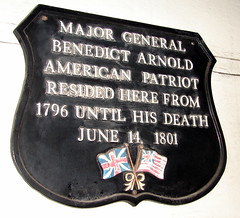
What did Benedict Arnold black plaque do at 62 Gloucester Place?
The Story
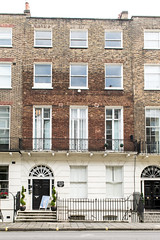
# 62 Gloucester Place Standing before 62 Gloucester Place, you're looking at the final refuge of a man whose name became synonymous with betrayal, yet who spent his last years desperately seeking redemption in exile. Major General Benedict Arnold, the American Revolutionary War hero turned traitor, made this townhouse his home for the final five years of his life, from 1796 until his death on June 14, 1801—a period when he lived in relative obscurity in London, largely shunned by both the American government he once served and the British crown he had conspired to aid. Within these walls, the aging general, plagued by financial troubles and the lingering wounds of his battlefield service, attempted to rebuild some semblance of respectability, corresponding with old contacts and reflecting on a life that had careened from celebrated patriot to reviled pariah. This address represents not a triumph or achievement, but rather a poignant epilogue—a quiet London townhouse where a complicated and controversial figure spent his final days, caught between two nations, belonging fully to neither, his legacy forever complicated by the choice he made nearly two decades before.
Location
62 Gloucester Place
Discover more stories across London