What did Jomo Kenyatta blue plaque do at 95 Cambridge Street?
The Story
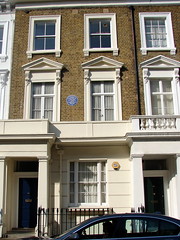
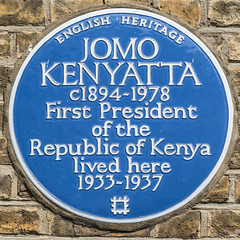
# 95 Cambridge Street, Westminster Between 1933 and 1937, this elegant Westminster townhouse became the London headquarters of Jomo Kenyatta's political awakening, where the young Kikuyu activist transformed from a relatively unknown journalist into the intellectual architect of Kenyan independence. It was within these walls that Kenyatta completed his seminal work *Facing Mount Kenya*, a groundbreaking anthropological study that would defend Kikuyu culture against colonial dismissals while simultaneously positioning him as an authoritative voice on African affairs in British intellectual circles. Here, surrounded by the intellectual ferment of 1930s London, he cultivated relationships with Pan-African thinkers, visited by activists and scholars who recognized in him a rare combination of scholarly rigor and political conviction—conversations that helped forge the ideological foundations for the independence movement he would eventually lead. When Kenyatta finally returned to Kenya in 1946, he carried with him the legitimacy and political vision first developed in this understated Cambridge Street residence, making it the true birthplace of modern Kenya's struggle for freedom, even though independence itself would come only decades later.
Location
95 Cambridge Street, Westminster, SW1
Discover more stories across London