What did Great Exhibition Joseph Paxton do at Hyde Park?
The Story
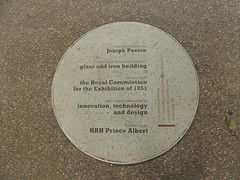
# Hyde Park: Where Vision Became Glass and Iron Standing in Hyde Park in 1850-1851, Joseph Paxton transformed a revolutionary horticultural dream into the world's first prefabricated structure, as his Crystal Palace rose from this very ground to house the Great Exhibition of 1851. Drawing inspiration from the glass houses he had designed for the Duke of Devonshire, Paxton engineered a 1,848-foot-long iron framework wrapped in 294,000 panes of glass—a construction method so innovative that it could be assembled quickly and later relocated, proving that industrial manufacturing could create beauty as well as utility. Here in Hyde Park, over 6 million visitors walked through his transparent palace during those six months, marveling at the technological marvels and artistic treasures from around the globe, fundamentally changing how the world understood progress, design, and the possibilities of modern building. This exact location became the birthplace of the modern exhibition space itself, making Paxton's achievement in Hyde Park a watershed moment where the Victorian era's optimism about industry and innovation found its perfect architectural expression.
Location
Hyde Park
Discover more stories across London