What did Arthur Wellesley stone plaque do at Waterloo Place?
The Story
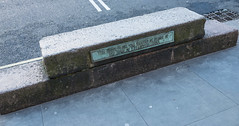
# Arthur Wellesley at Waterloo Place Standing at this very spot on Waterloo Place, you're witnessing the Duke of Wellington's enduring mark on the London landscape—a practical monument to his character that speaks volumes about a man more concerned with utility than vanity. In 1830, at the height of his fame following his triumph at the Battle of Waterloo fifteen years earlier, Wellington ordered this horse block erected not for his own glorification, but to serve the everyday people of London, allowing riders and carriage passengers to mount and dismount with ease. The choice of location was deliberate: Waterloo Place, named to commemorate his greatest military victory, became the natural spot for Wellington to leave this gift to the city, transforming a bustling thoroughfare into a democratic space where both the wealthy and working classes could benefit from his foresight. This simple stone reveals the Duke's pragmatic nature—rather than commissioning another statue or monument to himself, he created something functional, something that would silently serve generations of Londoners, making this corner of the West End a testament to a hero who measured success not by grandeur, but by genuine contribution to the lives of ordinary people.
Location
Waterloo Place
Discover more stories across London