What did plaque № 47000 do at Angel Yard?
The Story
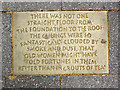
# Angel Yard Standing in the shadowed confines of Angel Yard, you're witnessing the very geography of Victorian literary immortality—this cramped, labyrinthine alley between Bermondsey Street and the Thames was the inspiration for Fagin's den in *Oliver Twist*, where Charles Dickens observed the squalid lodgings and criminal underworld that would shape his most iconic novel. Between 1836 and 1838, when Dickens was researching the criminal haunts of London's poorest districts, he ventured into Angel Yard and similar passages, documenting the deteriorating conditions he found: the crooked, settling floors that no amount of maintenance could straighten, and the perpetual haze of smoke and dust that seemed almost supernatural in its thickness. The inscription carved into this plaque captures not merely a physical description of a decaying building, but the very sensory atmosphere that Dickens translated into fiction—a place so degraded and chaotic that even its walls seemed to mock order and reason. For Dickens, Angel Yard became a portal into the lives of London's forgotten poor, and the novel born from his observations here would eventually drive social reform; today, standing at this threshold, you're touching the exact spot where Victorian literature and social conscience were forged from the grime and decay of one unremarkable London alley.
Location
Angel Yard
Discover more stories across London