What did Sylvia Pankhurst blue plaque do at 120 Cheyne Walk?

The Story
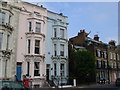
# Sylvia Pankhurst at 120 Cheyne Walk Standing before this elegant Chelsea townhouse on the banks of the Thames, you're looking at one of the most important refuges in Sylvia Pankhurst's extraordinary life—a place where the fiercest suffragist of her generation found both sanctuary and purpose during the tumultuous years surrounding World War I. It was here, in this quiet corner of Kensington and Chelsea, that Sylvia orchestrated some of her most radical campaigns for women's rights, transforming the drawing rooms and writing spaces of 120 Cheyne Walk into the nerve center of East London activism, even as her famous mother Emmeline and sister Christabel pursued their own militant strategies elsewhere in the city. When police raids and hunger strikes made her life precarious, this address represented stability—a place where she could publish her newspapers, design suffragette propaganda, and strategize about extending the vote beyond the suffragettes' middle-class base to working women who desperately needed representation. The blue plaque marks not just where Sylvia lived, but where a woman of formidable intellect and conscience maintained her unwavering commitment to democracy, making this Georgian façade a monument to the quieter, more principled form of revolution that ultimately outlasted all the dramatic confrontations of the Edwardian era.
Location
120 Cheyne Walk, Kensington and Chelsea, SW10
Discover more stories across London