What did William Smith blue plaque do at 16 Queen Anne's Gate?
The Story
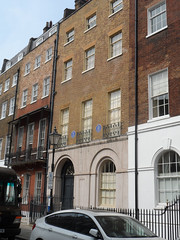
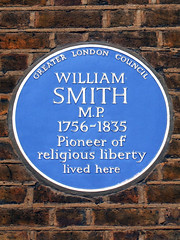
# William Smith at 16 Queen Anne's Gate Standing before this elegant Georgian townhouse in Westminster, you're at the epicentre of William Smith's decades-long crusade for religious freedom, the very address from which he orchestrated his most consequential parliamentary battles during the late 18th and early 19th centuries. From this residence near the heart of political power, Smith—a Whig MP of formidable intellect and moral conviction—hosted gatherings of like-minded reformers, drafted legislation, and plotted strategy to dismantle the restrictions that bound non-conformists and Catholics to second-class citizenship. It was here, within these walls, that he refined the arguments that would eventually help secure Catholic Emancipation and the removal of civil disabilities based on religious belief, making this address a quiet headquarters for one of Britain's most transformative social movements. Though the plaque's dates span his entire adult life (1756-1835), 16 Queen Anne's Gate became the physical manifestation of Smith's unwavering belief that conscience, not conformity, should determine a person's place in society—a conviction he lived out and championed from this very doorstep for over forty years.
Location
16 Queen Anne's Gate
Discover more stories across London